
Health App UX&UI

Project type: End-to-end app + branding

Role: Sole UX/UI designer + brand designer, with support of my mentor, Razvan Necreala, from IT School.

Industry: Health, Welbeing

Tools used: Figma, Miro, Google Sheets, Google Forms, AI Gencraft image generator, Illustrator, Photoshop.

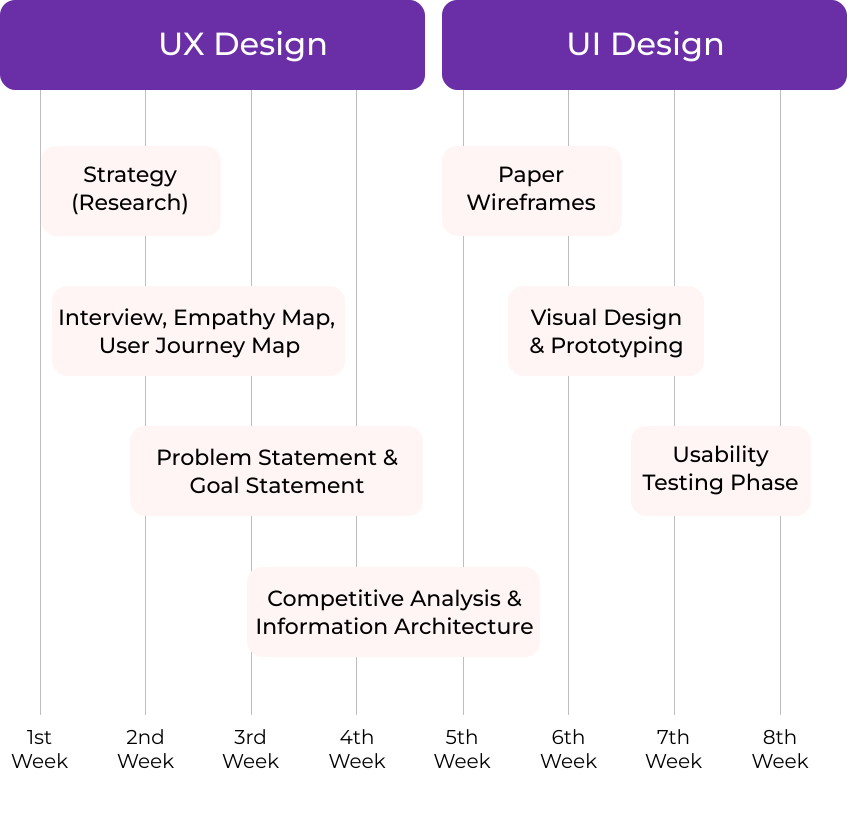
Duration: 4 weeks

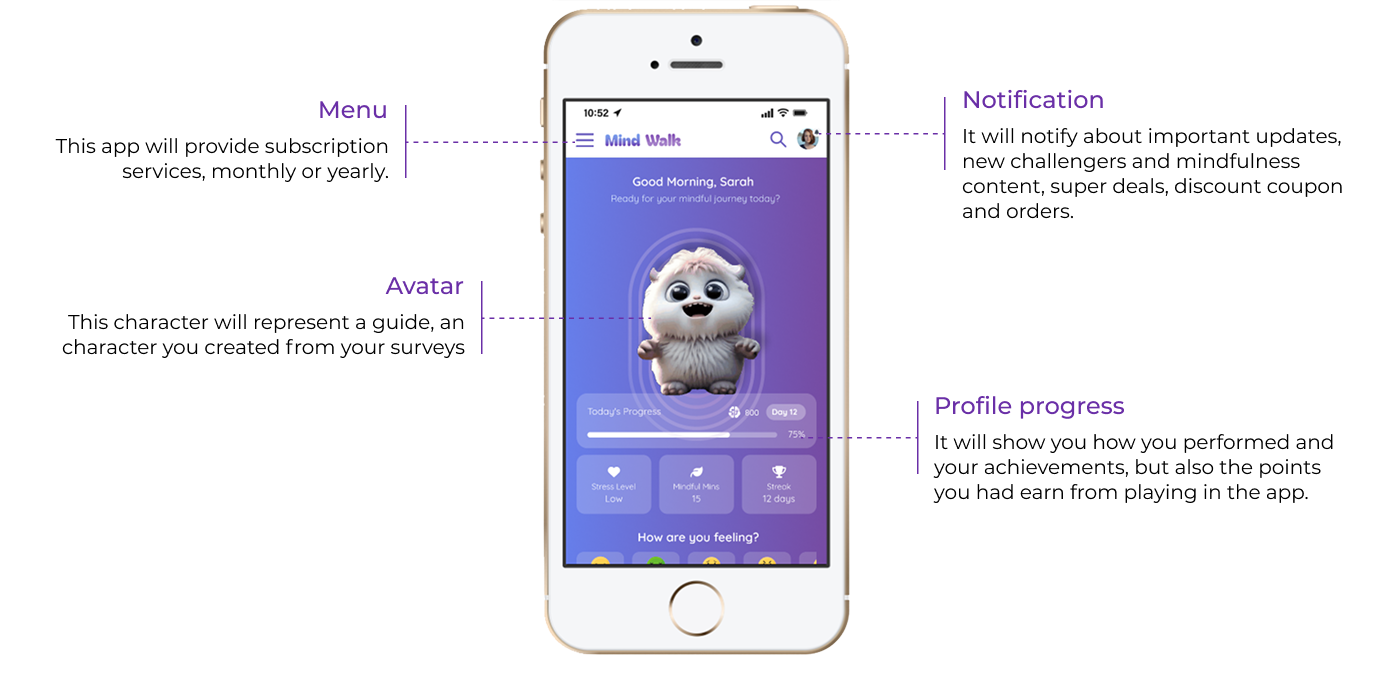
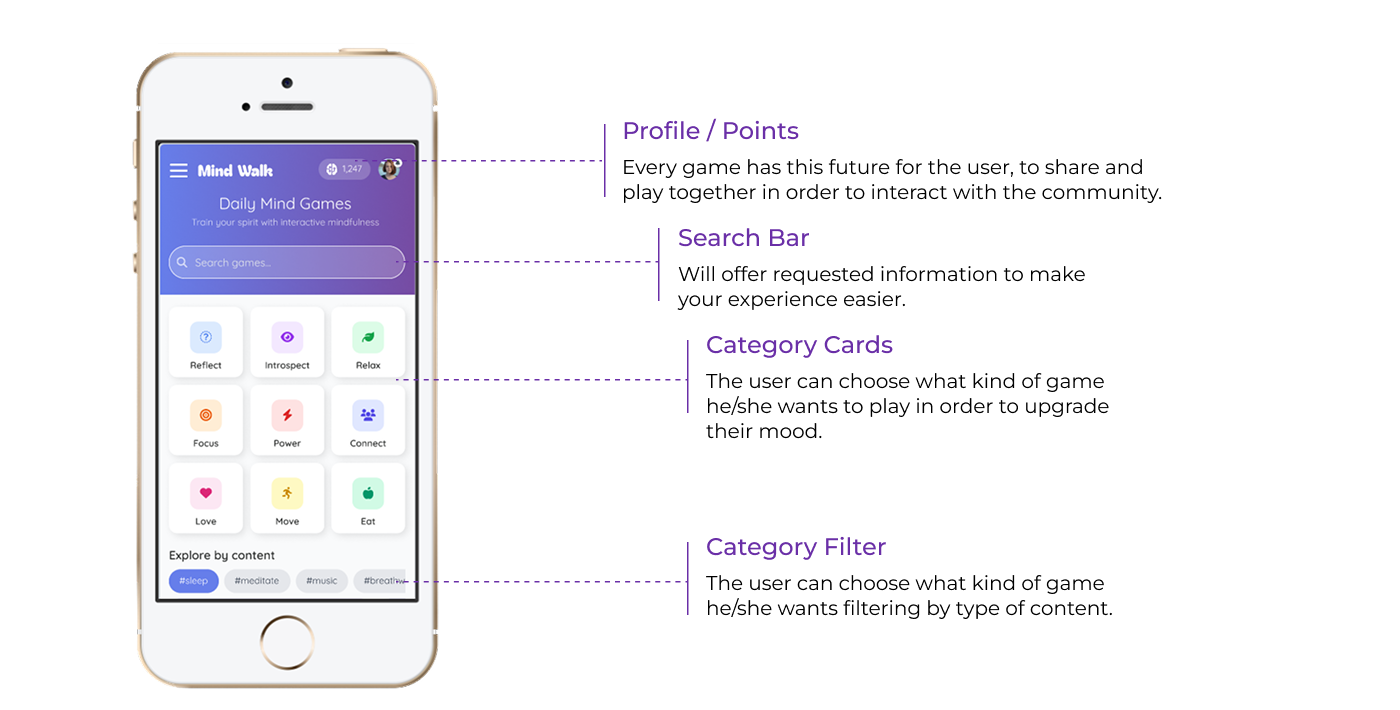
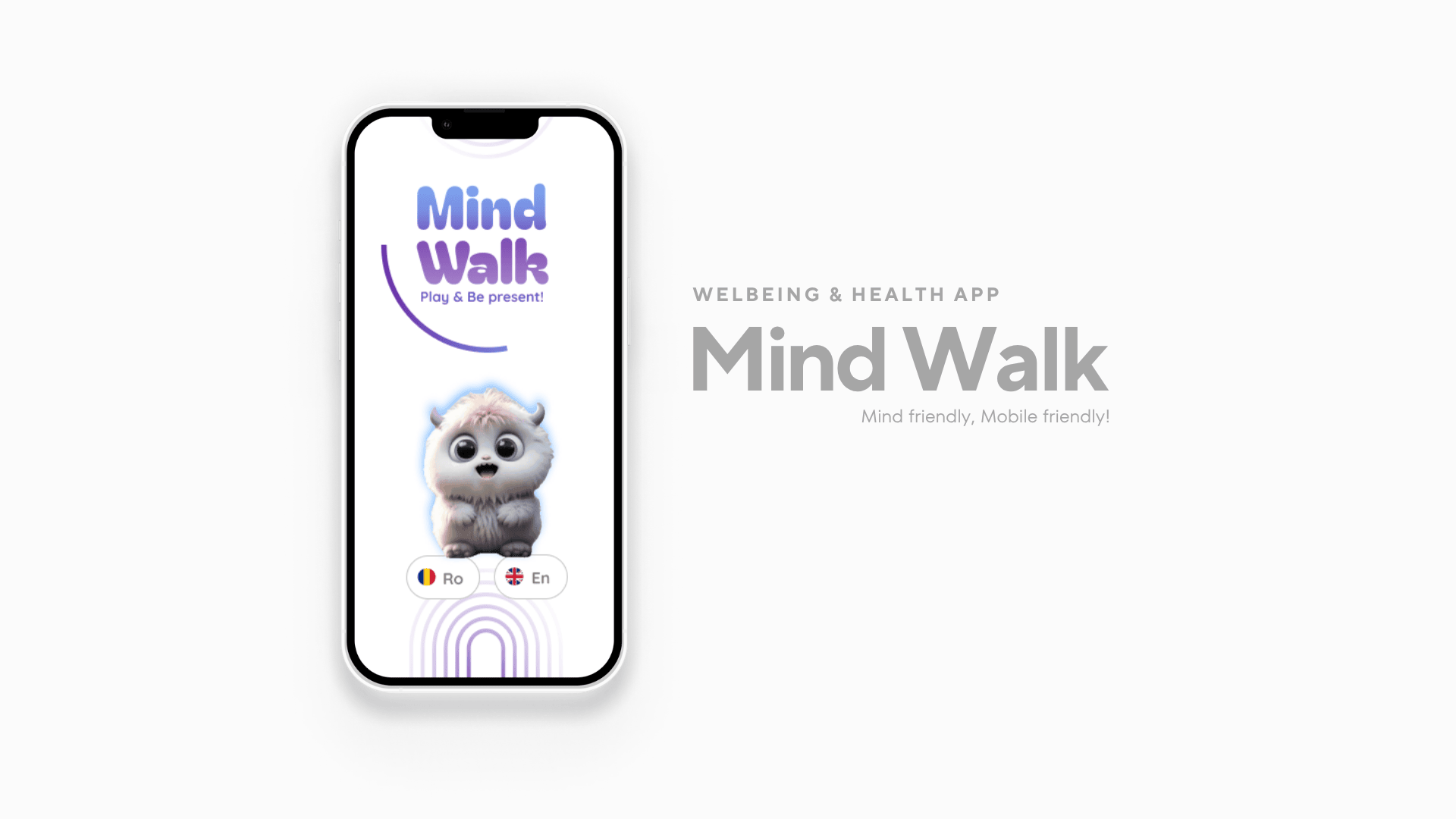
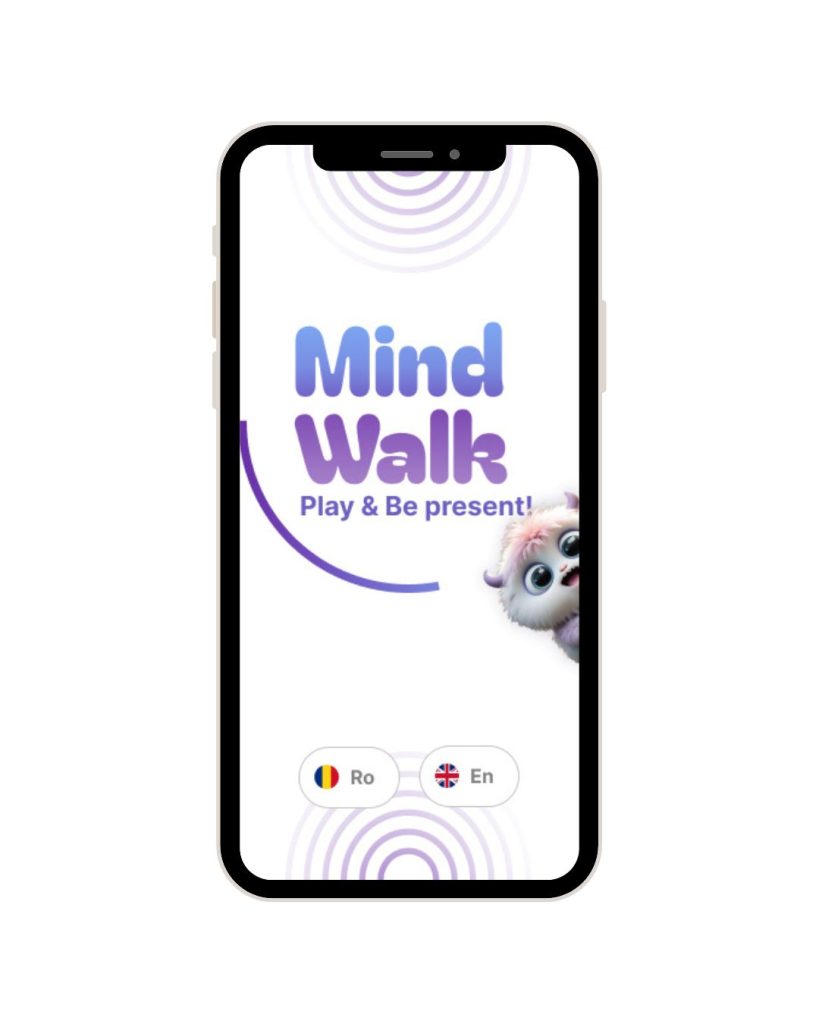
Mind Walk is an application designed for smartphones with the aim of developing emotional intelligence, helping people who have a level of stress and a busy schedule to improve the quality of their daily life, helping adults to form new healthy habits, to return mentally to the present through mindfulness techniques combined with an interactive gameplay that trains the human spirit.

Problem Statement

    • difficulty regulating emotions
    • disconnected from the present
    • undevelop emotional intelligence skills
    • lack of mindfulness apps designed for Romanian speakers

Proposed Solution

Helping people who have a high level of stress to improve the quality of their daily life, both personal and professional is a real challenge. An functional solution proposal is an playful application to improve regulating your emotions, that you can use at work or home.

Developing self-awareness, learn stress management techniques, note down your feelings and practice mindfulness exercises is developing our EQ, but also being able to relate to others’ emotions and actively listen. To return mentally to our present state can be done with an interactive gameplay that trains the human spirit.

Target Audience

    • Full time workers
    • Familly members
    • Antrepenours

The Approach

While play is crucial for a child’s development, it is also beneficial for people of all ages. Play can add joy to life, relieve stress, supercharge learning, and connect you to others and the world around you. Play can also make work more productive and pleasurable. Micropause, reflection and introspection, motivation and relationship games – with challenges. made through the use of the card game, to awaken the user’s curiosity to find out what is hidden behind the playing cards.

My Role

Design Thinking Process

Project Timeline

Emphatize Phase

Survey Questions – first feedback for the app ideea 

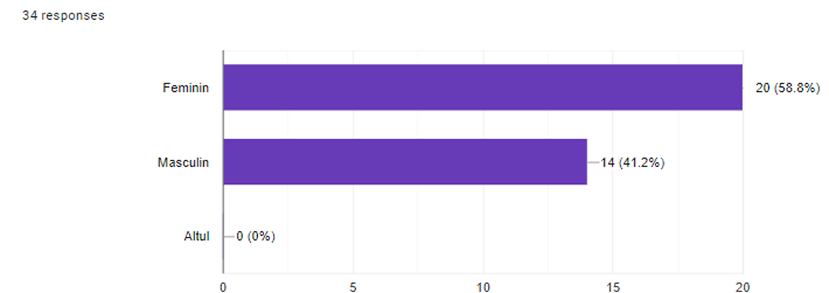
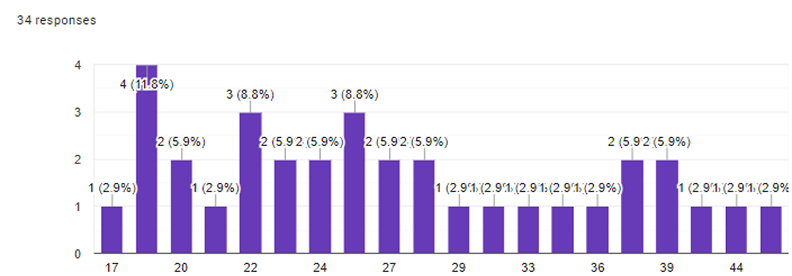
The survey was made on 34 people, randomly picked on a walk in the park. It was the first step to see a first impression on how an well-being would fit on different users and to find out how the user persona looks like. The Survey was made on people between 17 and 46 years old, male and female.

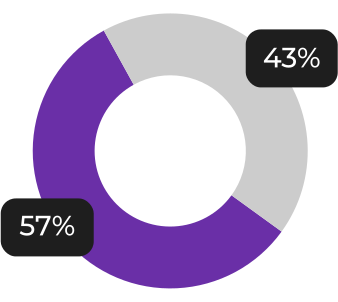
What is the average age of the users likely to use the app?

average 28 years old

Who are the majority users that are likely to use the app?

Female    Male

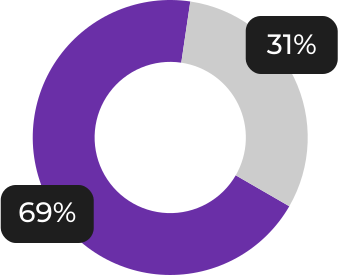
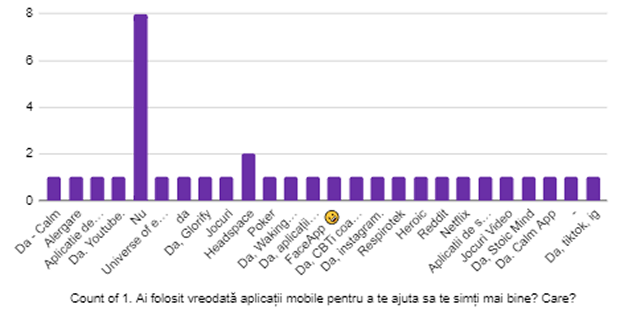
Survey Question 1. Have you ever used mobile apps to help you feel better? Which?

Yes    No

Survey Question 2. What methods do you apply to manage daily stress and improve your well-being?

journaling    walks    talk with friends    yoga    meditation practices    breathing excercises    dance    otivational speach    planing daily tasks    introspection    sport and good nutrition    listen to music and singing    time alone    smoling    positive   thinking    naps    shopping    theraphy    social media    watching movies  
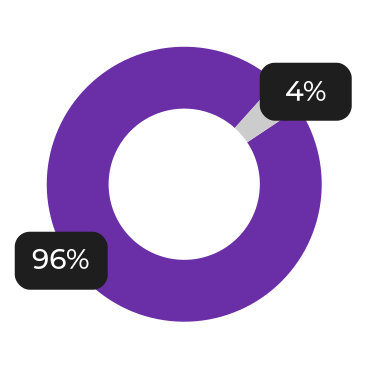
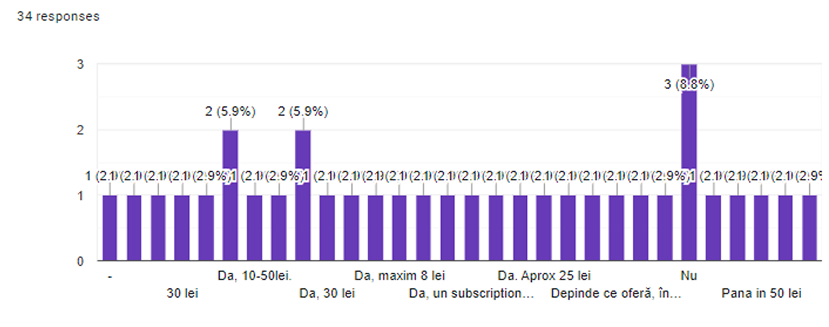
Survey Question 3.Would you be willing to pay for an app that helps you feel better mentally and emotionally? How much?

Yes    No

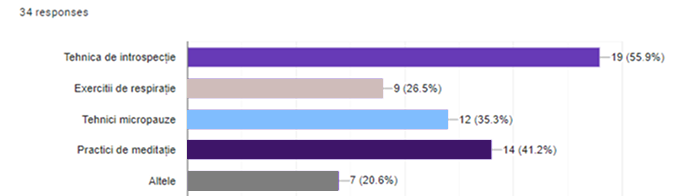
Survey Question 4. What futures would you consider essential in an wellbeing app designed to help you be more mindful?

introspection technique

short breaks

meditation practices

breathing exercises

other

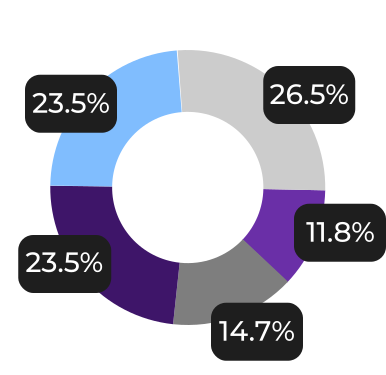
Survey Question 5. How often would you use an wellbeing app to make you feel better?


once a week

every day

more than 5 times a week

2-4 times a week

less than once a week
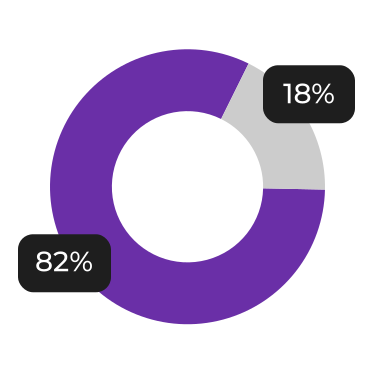
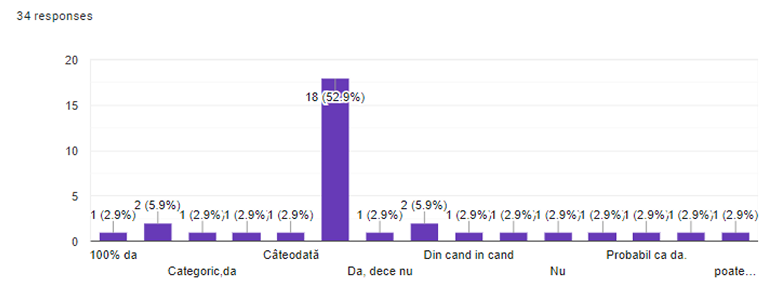
Survey Question 6.Would you use such an application if it were offered as a benefit by the employer?

Yes    No

  • User Interview Questions – Qalitative Research

Five people were interviewed: 3 user persona – a working man, a unemployed mother of 3 children, an entrepreneur, an studen and an elderly man, not really a user. The interviews have been conducted remotely using Google Meet and at a coffee bar.

  • The questions:
  1. What are your favorite games as an adult? but as a child?
  2. How good do you feel when you manage to complete an activity? Respond on a scale from 1 to 5 : 1 – I got rid of…, 2. I feel ok, 3. I am proud of myself, 4. I’m feeling confident, 5. I’m feeling very good.
  3. What stresses you out the most in everyday life?
  4. How important is it to you to be able to share and interact with friends/family in your stress management and progress?
  5. How important is it to you to brighten other people’s day
  6. Would you be interested in participating in activities organized by the community of this application
  7. Have you ever used mobile apps to help you feel better? Which?
  8. Would you have more confidence in the application if it were made by specialists in the medical/psychological/therapeutic field? Why?
  9. How much would it appeal to you to be rewarded with benefits? For example: discounts or freebies at events, restaurants, products.

I have made a card sorting after the interviews, where I had documented the observations or ideas from the participating people at the interview. This had helped me Ideating, creating a strategy or vision on how the app needs to be and has to fulfill the user needs.

  • something that challenges my mind, need a sense of exploration
  • tend to downplay it a lot, satisfaction, but it’s always followed by an internal self-critical voice
  • biggest stress is socializing and interacting with others
  • the anxiety of making mistakes or not fitting can be overwhelming
  • sharing and talking things through could help me, but I often keep things to myself due to fear
  • do want to help others and make them feel better, but I feel unsure of how to approach
  • I find apps helpful in small doses, but sometimes I lose motivation, need personalized content, something new
  • if the community is supportive and inclusive, I could see myself getting involved
  • I’d feel more confident knowing that the content were coming from professionals with expertise.
  • being rewarded would probably motivate me to use the app more regularly
  • I loved games that involved teamwork and problem-solving with my family and friends
  • sometimes struggle to enjoy the completion of something because I’m already planning what’s next.
  • I have a hard time taking breaks or switching off, which makes it difficult to recharge
  • the pressure of trying to manage relationships with family and friends while balancing my professional life adds stress
  • it’s difficult to truly open up and speak out because I don’t tend to feel that I’m in a safe space
  • I still struggle with consistency in using apps regularly, they don’t feel so engaging
  • having small incentives like discounts or freebies might encourage me to engage with the app more consistently
  • I would find it appealing especially if it’s tied to meaningful milestones or progress
  • I enjoy simple games that help me relax or engage my mind
  • games that are easy to jump into and don’t require too much time or energy
  • I sometimes feel isolated in my stress, so being able to share with friends or family would help me feel understood
  • I try to make my children feel loved and secure, even when I’m stressed. But sometimes, I feel so drained
  • I would need to fit it into my busy schedule and be easy to follow
  • I’d be more interested in the real, practical tools it provides to help me manage my stress
  • Quantitative Research

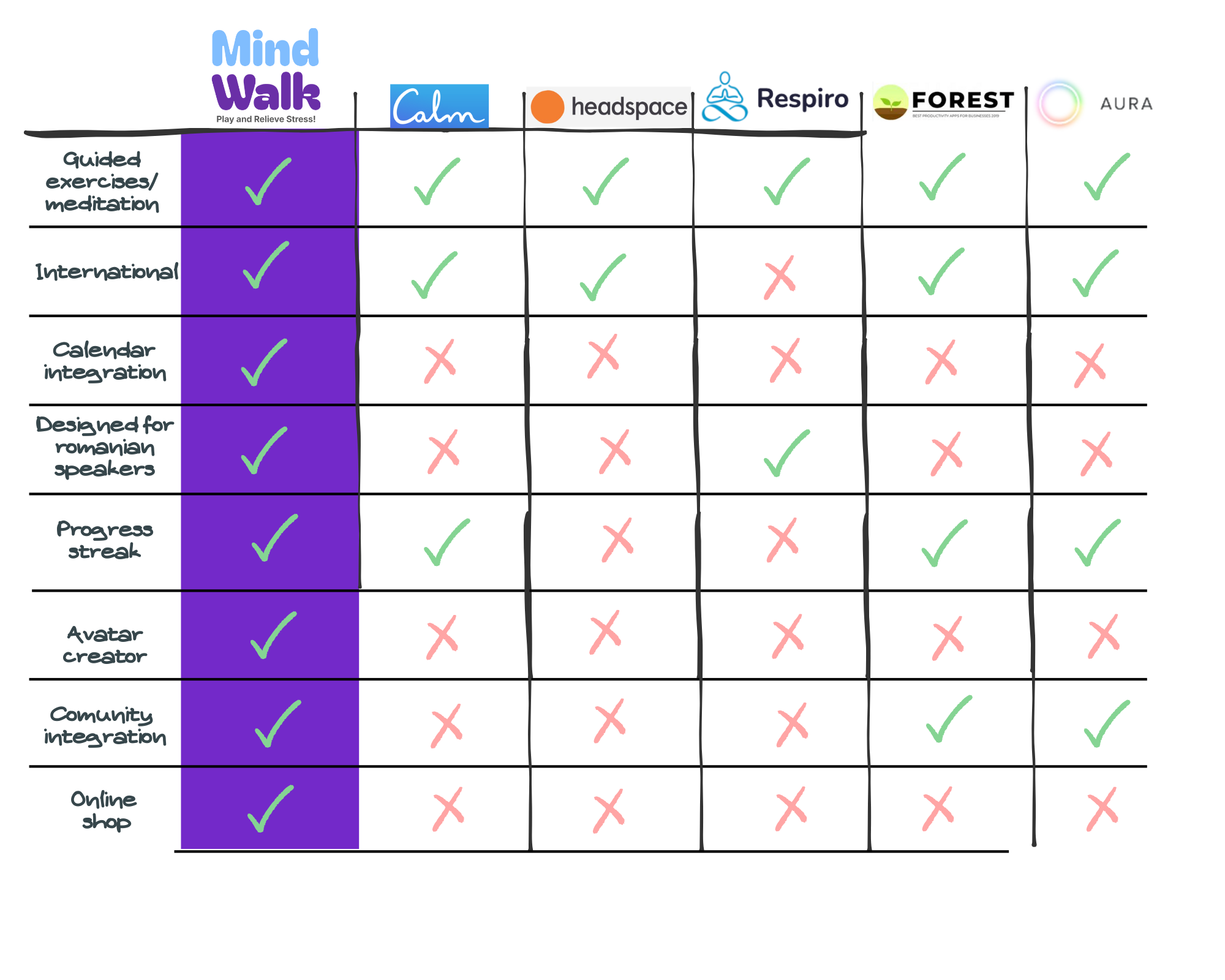
Competitive Analysis

Define Phase

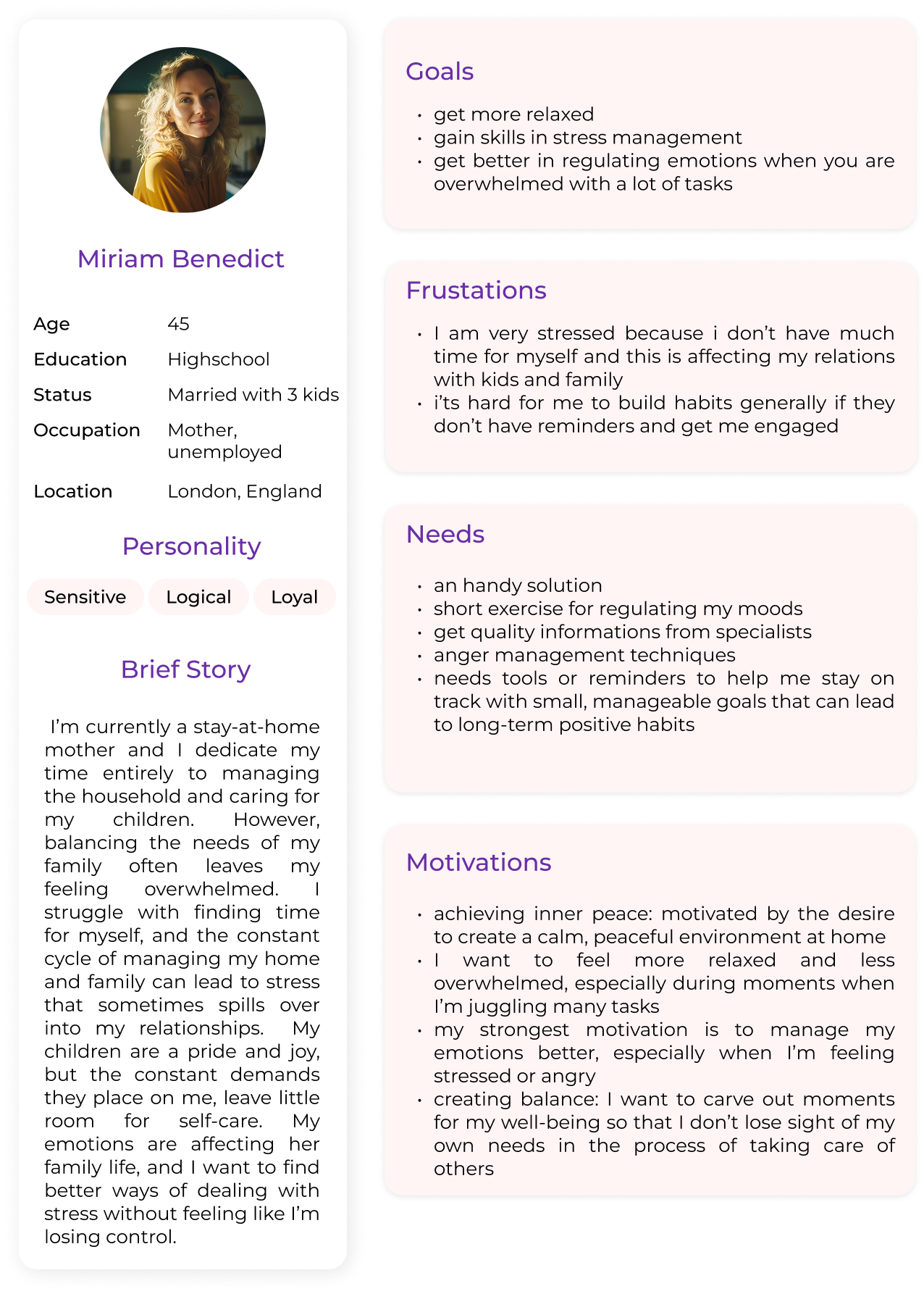
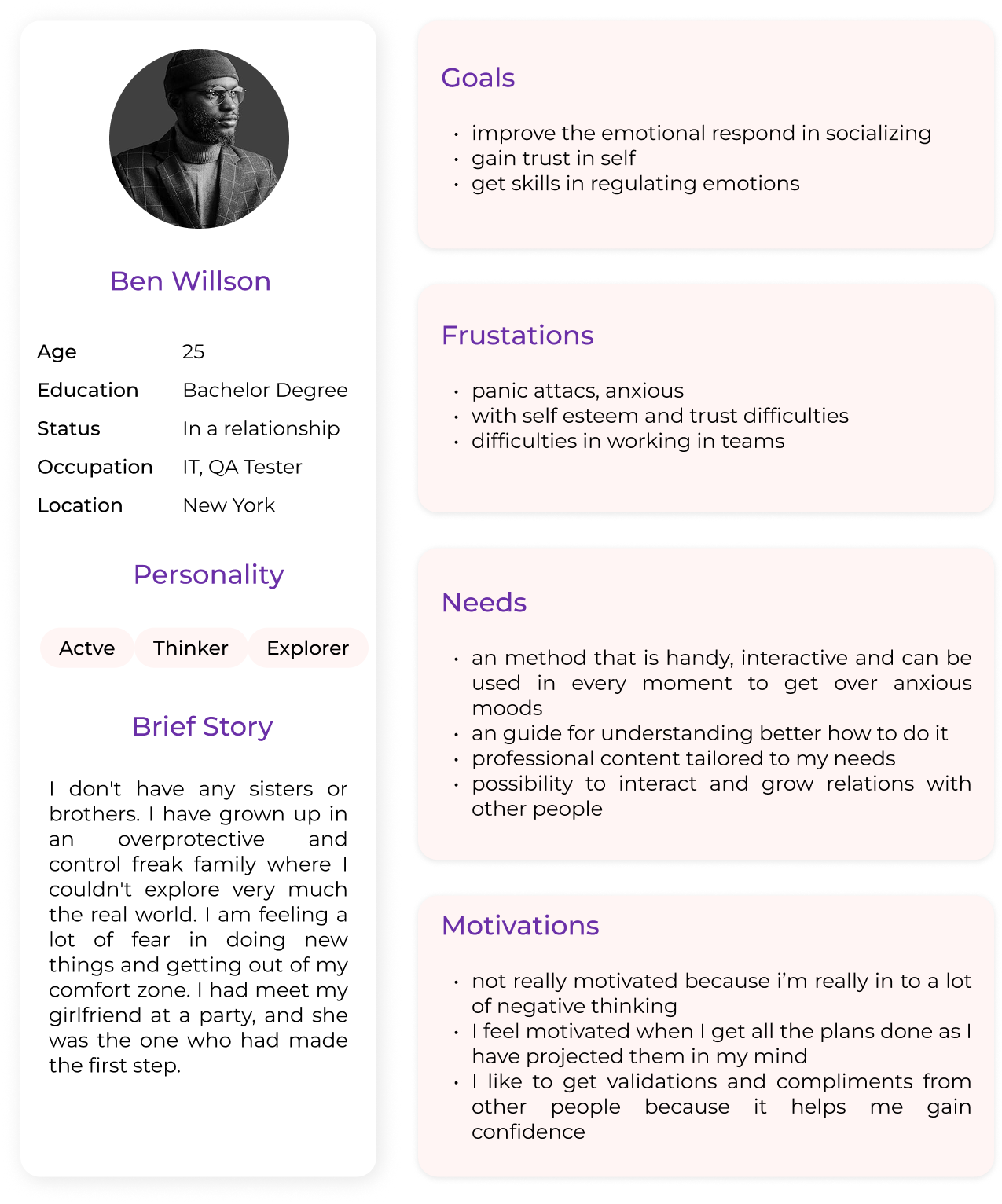
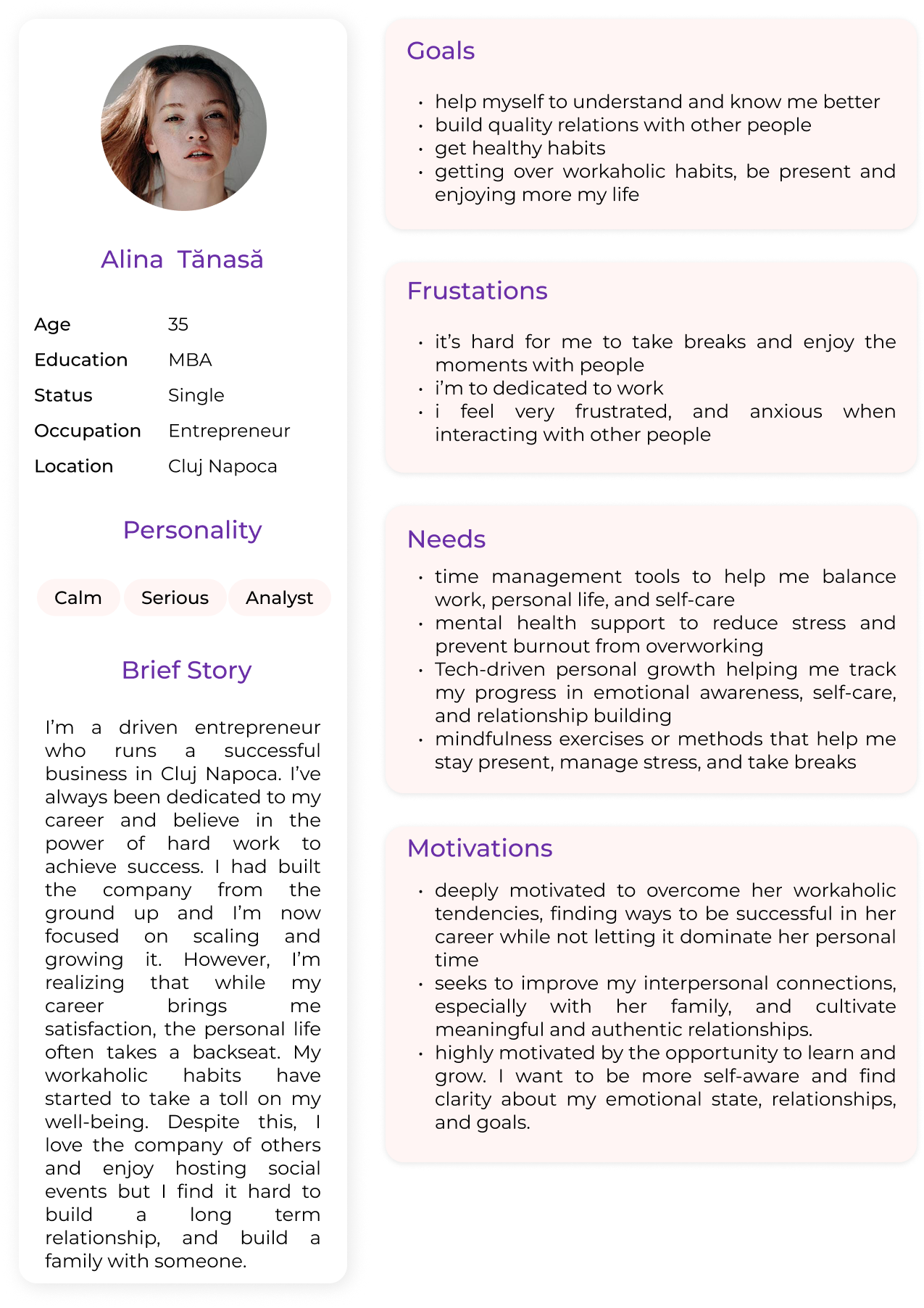
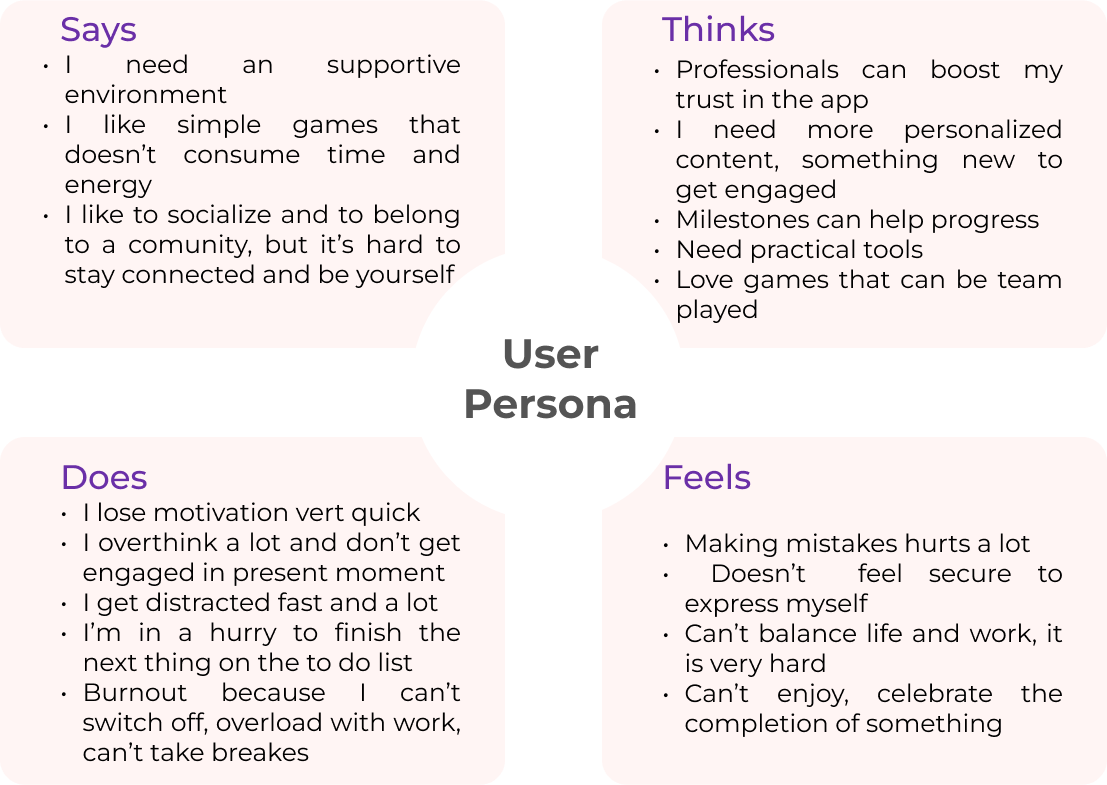
  • User persona 

I had choose 3 fictional representation of the ideal customer that have a lot of differences regarding the lifestyle, jobs and relationship status.

  • Empathy Map

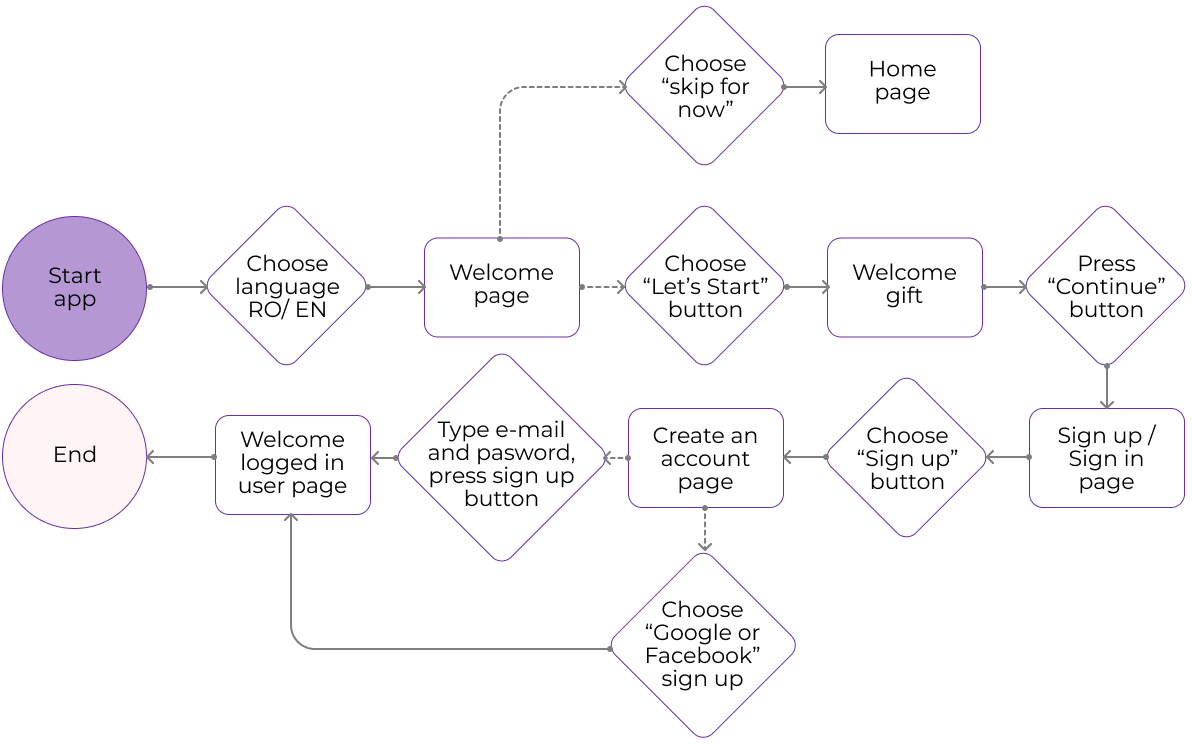
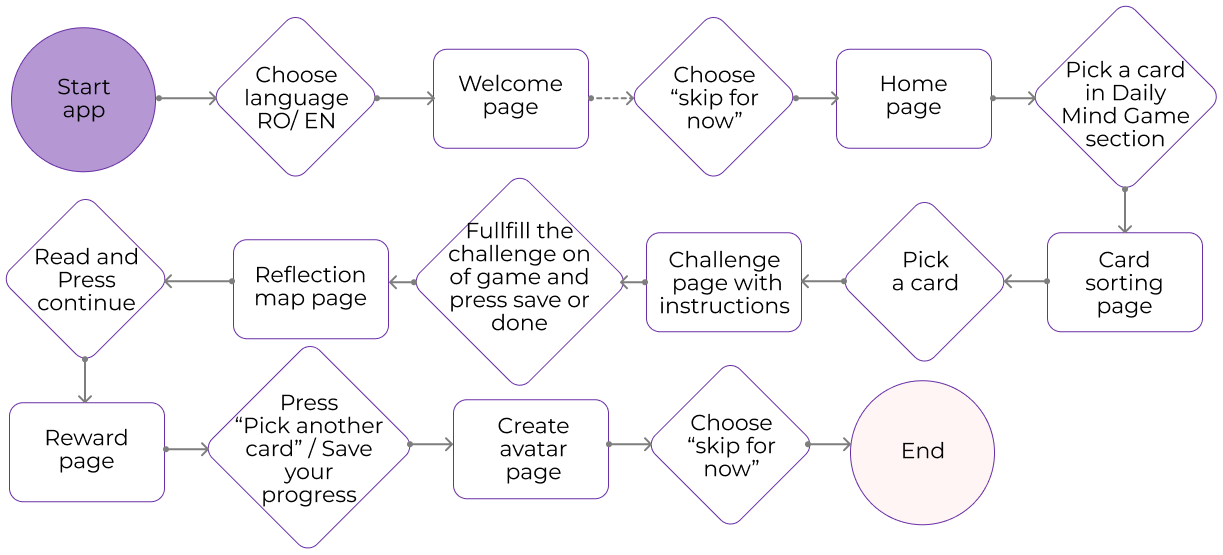
Task Flow

  • Sign up in app
  • Try a Daily Mind Game on the app

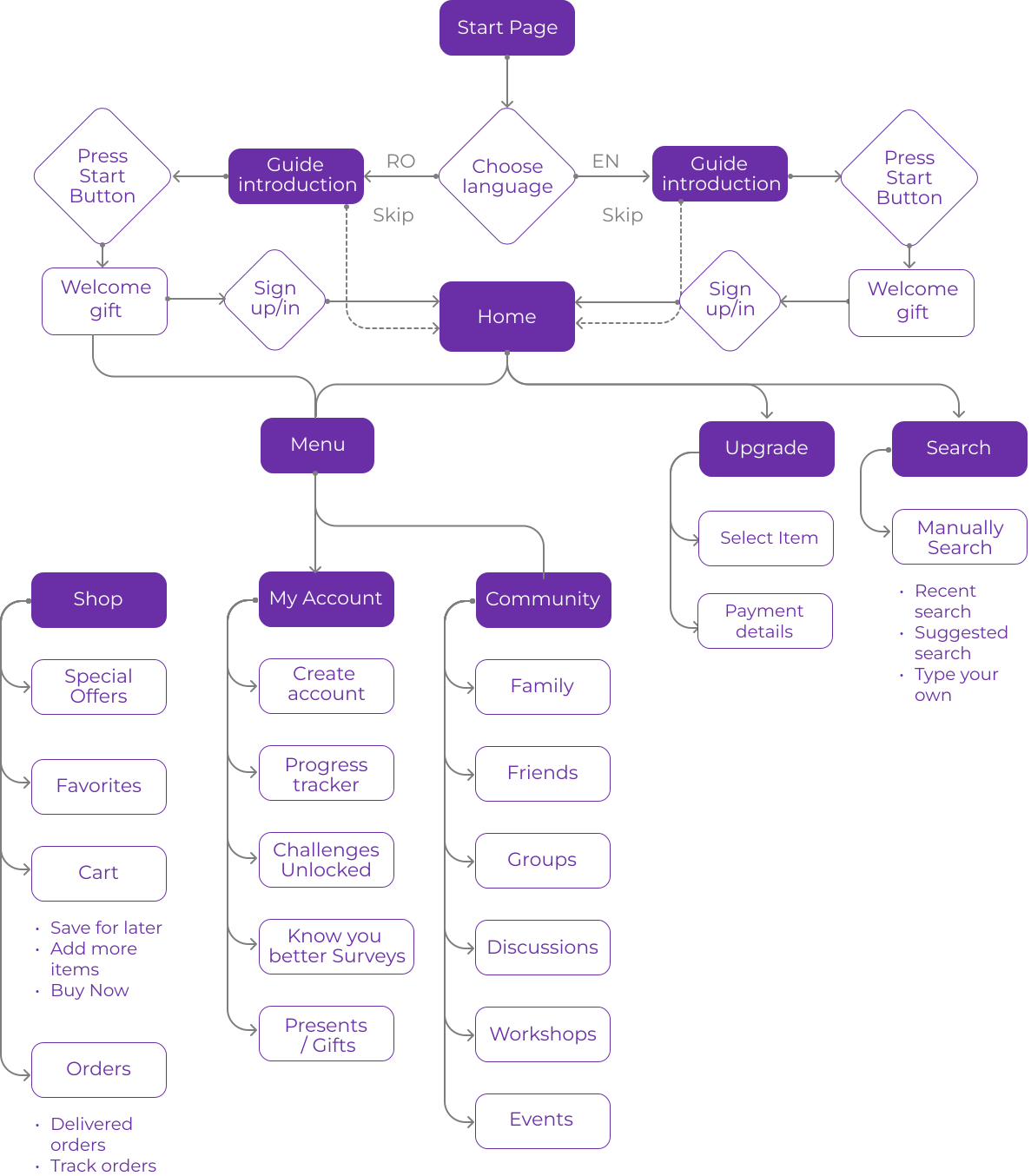
Information Achitecture

  • User Flow & Mapping

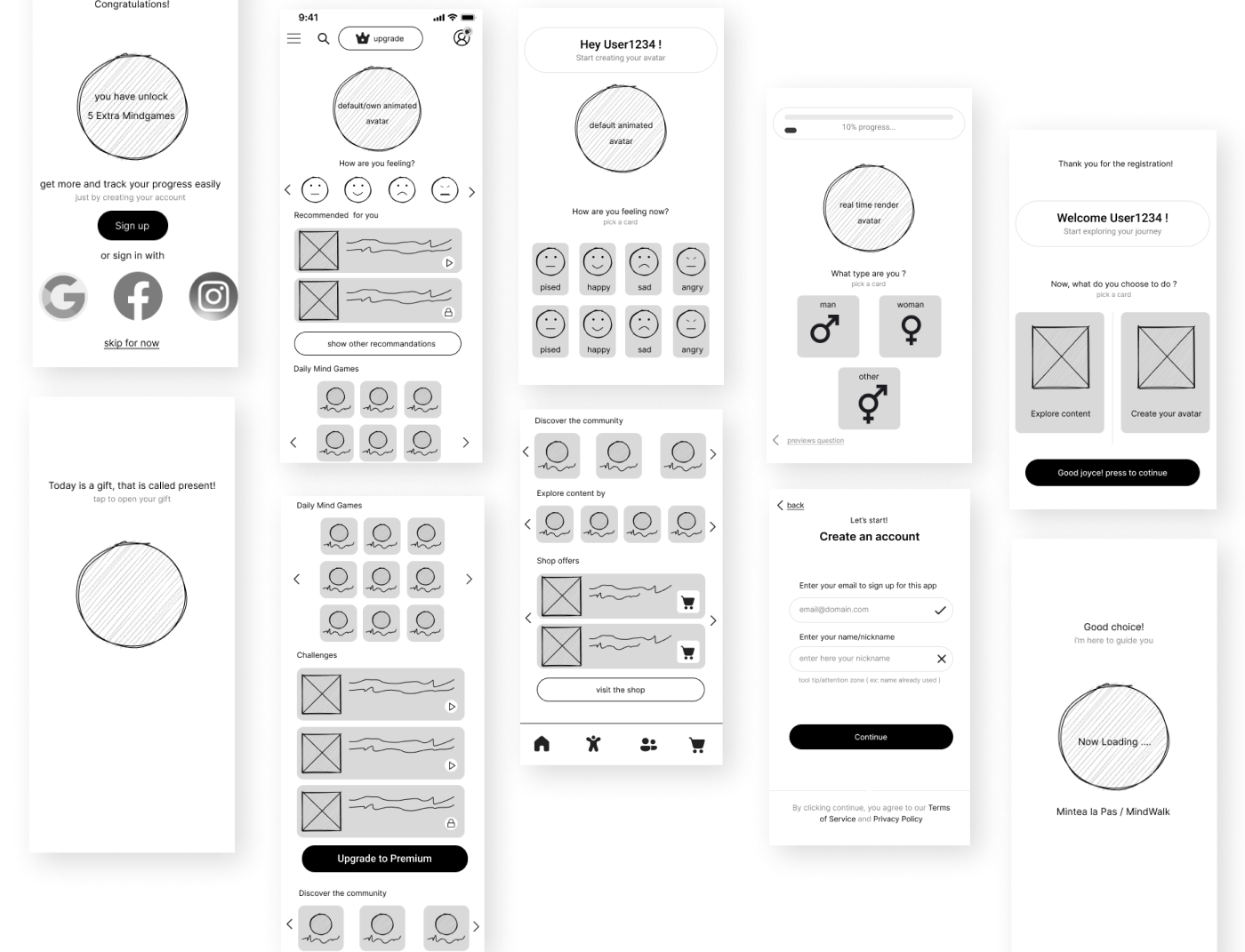
Mid-Fidelity Wireframes

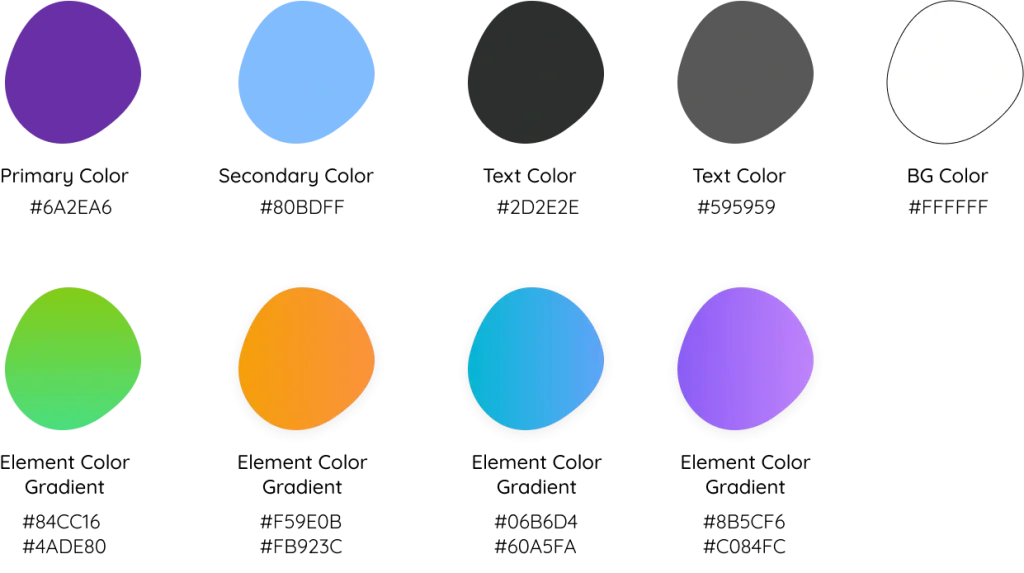
Typography & Colors

  • Font Used

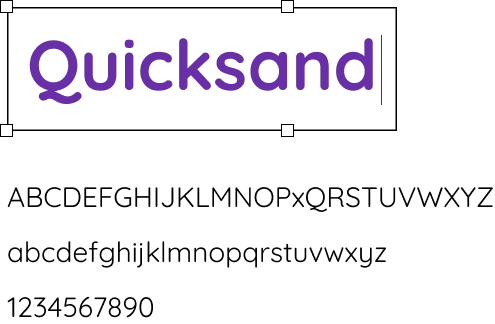
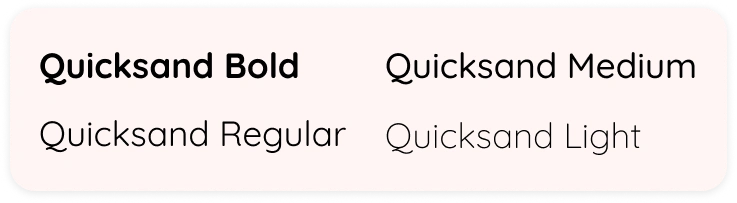
Quicksand is a sans-serif typeface built on geometric shapes. It’s characterized by its rounded terminals and simplified letterforms. Quicksand is known for its legibility, even at smaller sizes, and is suitable for both display and body text, though it’s often recommended for headlines or titles due to its rounded, playful nature. 

Visual Design

Prototyping

Scroll to Top