
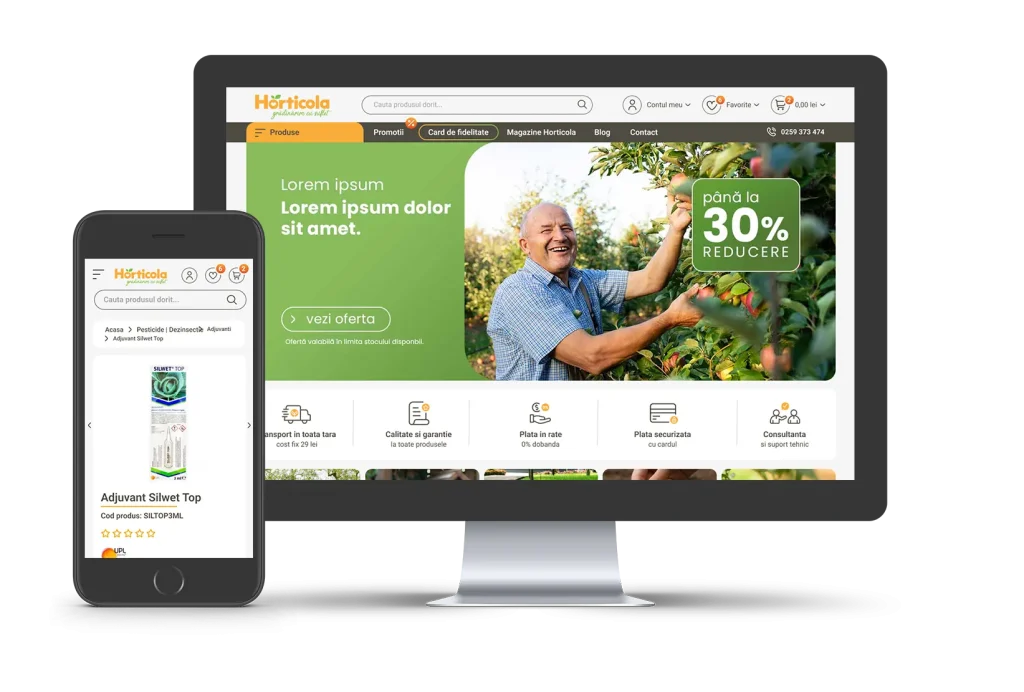
Horticola E-commerce UX&UI
View Project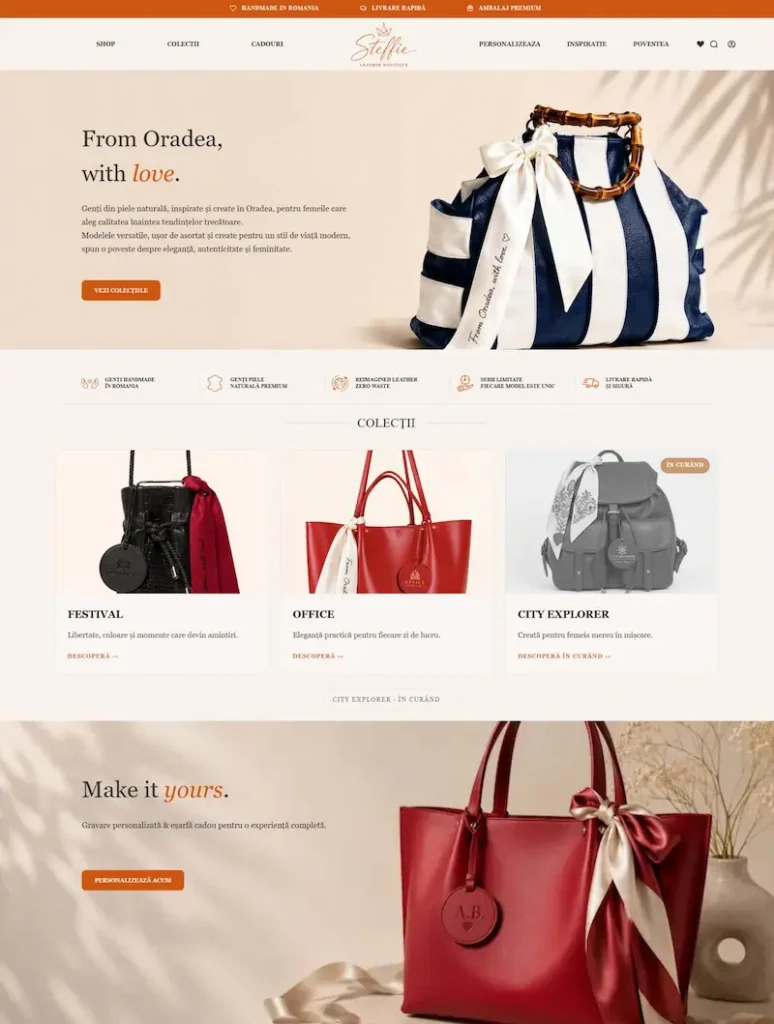
End-to-End Product Design Case Study - Steffie Leather Boutique
View Project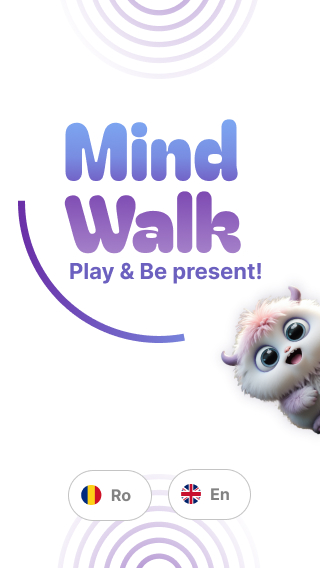
Mind Walk UX & UI design
View ProjectExperience & Evolution
Founder & Creative Director — Bellsabi Studio
Building a multidisciplinary creative studio focused on branding, UX/UI design, storytelling, photography and meaningful digital experiences. Collaborating with entrepreneurs and purpose-driven brands to create stronger connections through strategy, design and content.
Marketing Manager
Creating marketing plans for B2B and B2C sales in order to increase brand visibility, generate leads, improve customer engagement and increase sales through digital and offline campaigns.
Designer & Photographer
Professional photoshoots, brand identity design, advertising materials, visual storytelling, 3D visuals and interior design projects.
Concept & Graphic Designer
Designing 3D concepts for visual merchandising, thematic parks, retail environments and large-scale event decor projects.
Design Teacher
Teaching design fundamentals, creativity and visual communication principles to high school students.
3+ Years of UX & UI Design
Interaction Design
that feel intuitive,
look intentional and serves the purpose.
Why ?
UX/UI design shapes how people feel when they interact with your brand online. A beautiful interface isn’t enough — users must understand, trust, and enjoy the journey. A well-crafted digital experience builds credibility, encourages engagement, and helps convert visitors into loyal customers. When your design aligns with your brand values and user needs, growth becomes more organic and sustainable.
What role does user research play in creating great design ?
User research is the foundation of any meaningful experience. It reveals how your audience thinks, what they need, and where they feel friction. Without it, design is guesswork. Through interviews, surveys, and journey mapping, I uncover real insights that guide the design process — ensuring that every decision solves a purpose, not just a visual trend.
How does a user journey map improve the customer experience ?
A journey map visualizes the full path a user takes — from first discovery to conversion and beyond. It shows where they feel excited, confused, or drop off. This clarity helps prioritize design and marketing efforts where they matter most. It’s also a powerful tool for aligning teams across branding, UX, content, and sales, making sure everyone is working toward a shared experience.
What happens when UX/UI is combined with branding & marketing ?
That’s when real magic happens. Each of these elements speaks a different language of the same brand. When they are combined they create consistent visuals, clear messaging and intuitive interfaces. The brand becomes unforgettable. Whether it’s a website or a store, customers feel aligned with your story across all touchpoints, which builds trust and emotional connection.
Why should design be guided by strategy, not just aesthetics ?
Beautiful design catches the eye, but that’s it. It may not be functional and that is frustrating. But strategic design holds attention. Every color, layout, and interaction should support a goal: whether it’s brand clarity, conversion, or emotional engagement. By combining UX strategy with brand values and business objectives, I create experiences that don’t just look good — they work beautifully, too.